
Key Takeaways
- Successful rental ownership requires preparation. Understanding costs, legal responsibilities, maintenance needs, and market conditions helps protect your investment.
- Tenant selection and communication matter. Proper screening, clear expectations, and responsive management help reduce costly issues and improve tenant retention.
- Professional management can reduce risk. LRES Property Management helps owners handle compliance, maintenance, leasing, and daily operations more efficiently.
Managing a rental property in Florida can seem straightforward at first. Many owners expect rental income with minimal involvement, but successful property ownership requires careful planning, legal compliance, financial preparation, and ongoing maintenance.
Florida landlords also face unique challenges, including changing insurance costs, weather risks, maintenance demands, and competitive rental markets in areas such as Miami, Tampa, Orlando, and Jacksonville.
At LRES Property Management, we help Florida rental property owners protect their investments through professional leasing, tenant screening, maintenance coordination, and ongoing property management.
While some owners choose to manage properties themselves, understanding common mistakes can help reduce risk and improve long-term performance.
Here are 11 common mistakes DIY landlords should avoid.
LEARN MORE ABOUT OUR TRUSTED TEAMNot Understanding Total Costs
Many new landlords focus only on the mortgage payment and expected rental income. However, rental ownership involves many additional expenses, including property taxes, insurance, maintenance, repairs, vacancies, and unexpected emergencies.
In Florida, insurance costs can be higher due to hurricane risks and weather-related concerns. Roof repairs, storm preparation, water damage prevention, and general upkeep should all be considered when planning your budget.
Successful landlords prepare for these expenses in advance and maintain a reserve fund for unexpected repairs. Understanding the full cost of ownership helps protect cash flow and prevent financial surprises.
Poor Tenant Selection
Rushing to fill a vacancy can create costly problems later. Some landlords skip important screening steps because they want to avoid losing rental income, but placing an unqualified tenant can lead to missed payments, property damage, and lease violations.

A proper screening process should include income verification, rental history review, employment verification, and other consistent qualification standards.
Tenant selection should always be based on written criteria rather than urgency or personal impressions. A reliable tenant can protect your property and provide more stable rental income over time.
Incorrect Rental Pricing
Setting the wrong rental price is one of the most common mistakes landlords make. Pricing too high can lead to extended vacancies, while pricing too low can reduce long-term income potential.
Florida rental markets vary significantly based on location, property type, seasonality, amenities, and local demand. Coastal markets, growing communities, and areas near employment centers may experience different rental trends throughout the year.
Owners should regularly review comparable properties and current market conditions to determine a competitive rental price that attracts qualified tenants while maximizing returns.
Ignoring Legal Responsibilities
Rental properties are subject to specific legal requirements, including lease agreements, security deposit handling, notice requirements, and eviction procedures.
Failing to follow Florida rental laws can result in financial penalties, delays, or legal disputes. Informal agreements or verbal arrangements can create confusion and should be avoided.
Every important rental agreement should be documented in writing and handled according to applicable requirements.
Delaying Maintenance
Small maintenance problems can quickly become expensive repairs when ignored. A minor plumbing issue, roof leak, or HVAC problem can lead to significant property damage if it is not addressed quickly.
Florida’s humidity and climate also increase the risk of moisture issues, mold, and weather-related damage.
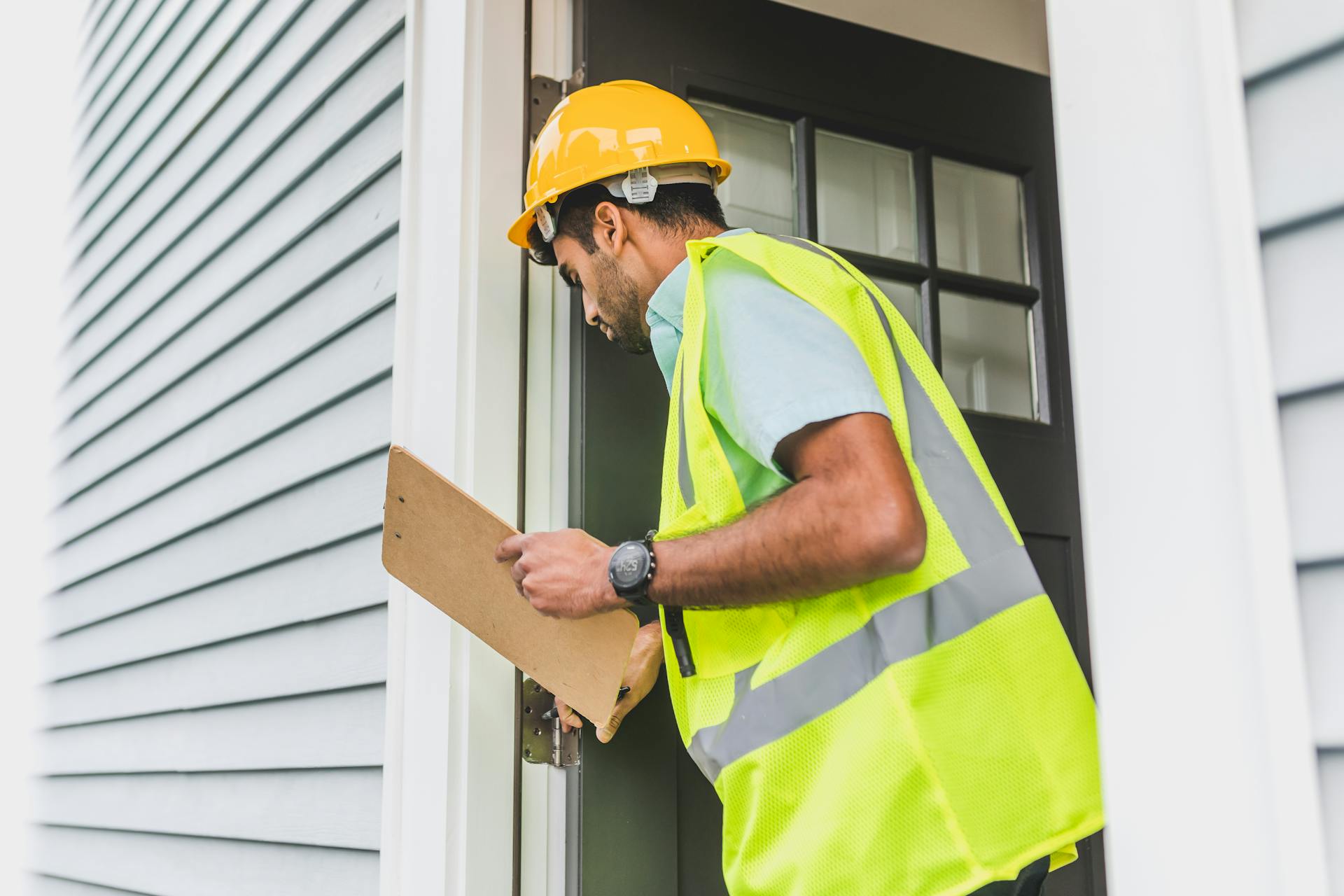
A proactive maintenance plan helps preserve the property, reduce repair costs, and improve the tenant experience while addressing issues before they become major problems.
Regular inspections and timely repairs also help distinguish normal wear and tear from preventable damage, ensuring fair evaluations and better protection for both owners and residents.
Weak Communication Practices
Good communication is a major part of maintaining a successful rental relationship. Some landlords create frustration by responding slowly to maintenance requests or failing to set clear expectations.
Residents should have an easy way to report issues and understand how repairs, policies, and property concerns will be handled.
Professional communication helps prevent misunderstandings, encourages residents to report problems early, and supports better tenant retention.
Poor Documentation
Accurate records are essential for protecting rental property owners. Important documentation includes move-in inspection reports, repair records, maintenance receipts, lease documents, and communication history.
Without proper documentation, it becomes more difficult to resolve disputes or prove that decisions were handled correctly.
Strong recordkeeping protects both owners and residents while creating a more organized management process.
Mismanaging Security Deposits
Security deposits must be handled carefully and according to Florida requirements. Common mistakes include unclear deductions, missing documentation, or failing to follow proper procedures.
Before charging for damages, landlords should complete detailed move-out inspections with photos and written records.
Clear documentation helps support fair decisions and reduces the risk of disputes or legal issues.
Attempting Complex Repairs Without Proper Training
Some landlords attempt repairs themselves to save money. While minor maintenance tasks may be manageable, complex electrical, plumbing, or structural repairs should be handled by qualified professionals.
Improper repairs can create safety concerns, violate regulations, or result in more expensive problems later.
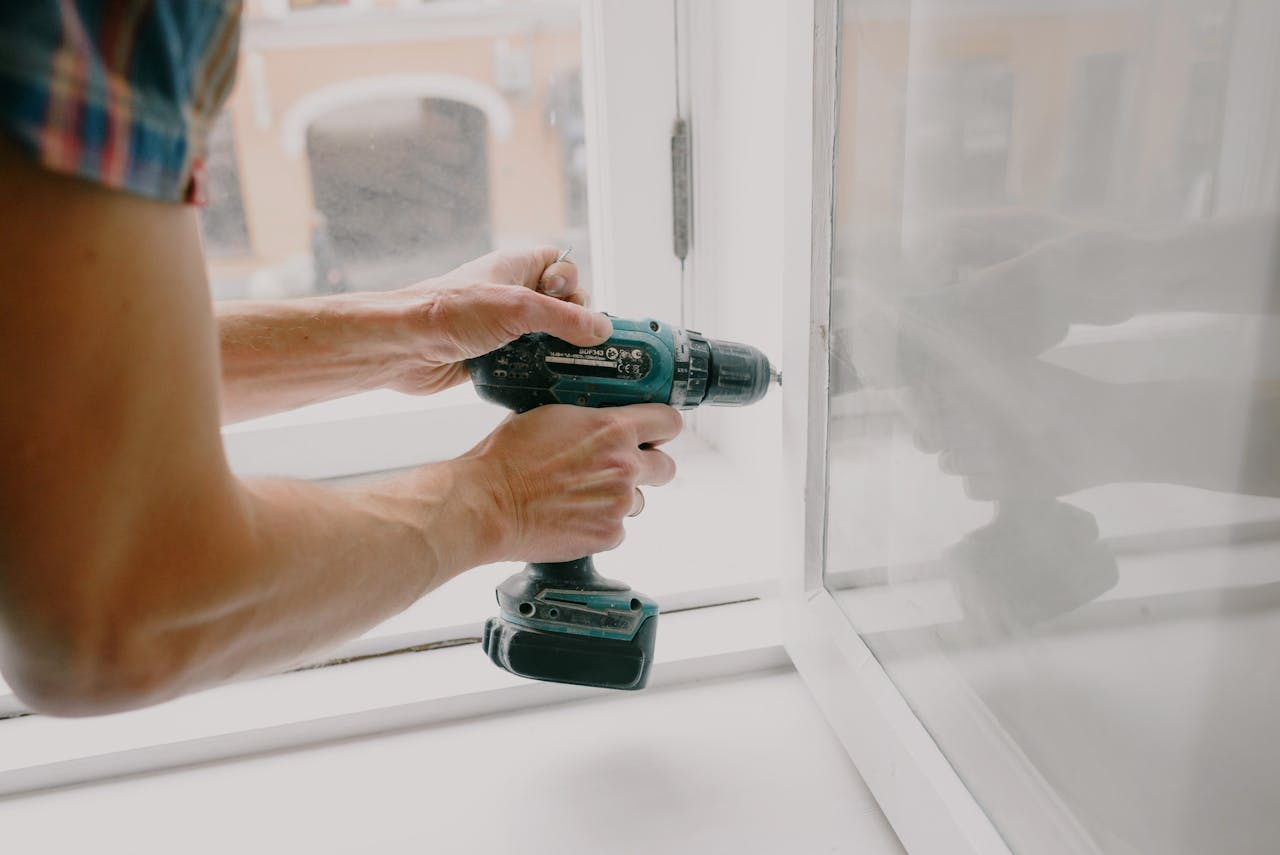
Knowing when to hire experienced professionals can protect both the property and the owner’s investment.
Incomplete Insurance Coverage
Insurance is a critical part of protecting a rental property, but many owners do not fully understand what their policies cover.
Florida properties may face risks related to hurricanes, flooding, storms, and water damage. Standard policies may not cover every type of loss.
Landlords should regularly review their coverage and confirm that their insurance aligns with the risks associated with their property and location.
Informal Eviction or Removal Processes
When tenant issues occur, some landlords attempt to handle removals without following the proper legal process. This can create delays, additional costs, and legal complications.
Florida has specific procedures for notices and evictions. Every step should be completed correctly and documented properly.
Even difficult situations should be handled professionally and according to state requirements. Maintaining clear communication and treating renters fairly helps protect the property while keeping residents satisfied and supporting a positive long-term rental relationship.
Bottom Line
Managing a rental property in Florida requires more than collecting rent. Successful landlords must understand legal requirements, maintain the property, screen tenants carefully, manage finances, and respond quickly to issues.
DIY management may seem simple at first, but handling tenant concerns, maintenance emergencies, compliance requirements, and unexpected challenges can quickly become overwhelming.
For many owners, working with a professional property management company provides a more efficient way to protect their investment and improve rental performance. LRES Property Management helps Florida rental property owners reduce risk, maintain compliance, improve tenant relationships, and create reliable systems for long-term success.
With the right management strategy, rental ownership can become a more predictable and profitable investment.
CONTACT US TODAY FOR MORE INFORMATION