
Key Takeaways
- Annual Property Management Matters: Regularly reviewing rent, leases, inspections, maintenance, and insurance protects your investment, prevents costly repairs, and keeps your rental performing optimally.
- Resident Satisfaction and Compliance Are Crucial: Checking in with tenants, updating property features, and staying current with local regulations enhances retention, reduces turnover, and ensures legal compliance.
- Professional Support Maximizes Results: Partnering with LRES Property Management streamlines tasks, improves efficiency, safeguards your income, and allows stress-free property ownership
Owning a rental property involves far more than collecting rent and handling occasional repairs. To protect your investment, reduce risk, and keep your rental performing at its best, there are important annual tasks every landlord should complete.
Many property owners overlook these responsibilities, especially when day-to-day operations seem to be running smoothly. Ignoring them over time can lead to costly repairs, legal complications, and declining property value.
With LRES Property Management, you don’t have to worry about missing a step. Our experienced team ensures your property stays well-maintained, compliant, and profitable year-round. Here are the key annual tasks landlords should prioritize but often overlook.
Review and Adjust Rental Pricing
Rental pricing should not stay the same year after year without review. Market conditions change, and keeping rent aligned with current demand is essential for maintaining profitability.
Take time each year to compare your property with similar rentals in the area. Look at factors such as condition, amenities, and location.
This helps you determine if your current pricing still makes sense. Adjustments should be reasonable and based on market data. A thoughtful approach helps you remain competitive while protecting your income.
Conduct a Full Property Inspection
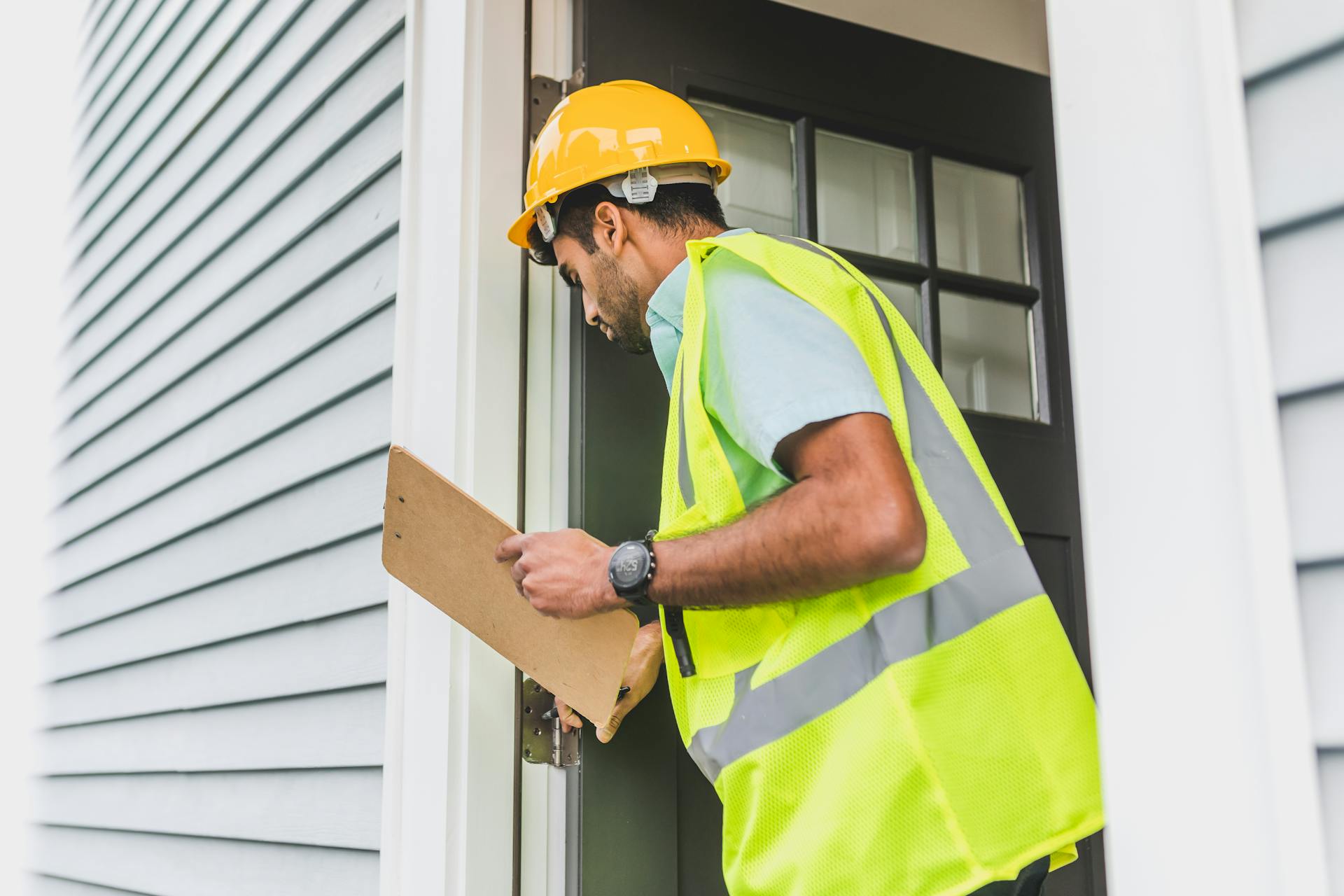
Annual inspections allow you to identify issues before they turn into costly repairs. Small problems, such as minor leaks or wear on flooring, can quickly become larger concerns if left unchecked.
Walk through the entire property and pay attention to both interior and exterior areas. Check for signs of damage, safety hazards, or aging systems that may need attention. A detailed inspection also helps you plan for future maintenance and budget accordingly.
Review Lease Agreements
Lease agreements should be reviewed regularly to ensure they remain clear, relevant, and compliant with current laws.
Over time, policies may need to be updated to reflect changes in regulations or property rules. Reviewing your lease also gives you the opportunity to clarify expectations and avoid
misunderstandings. Keeping your lease updated helps protect your property and supports a smoother rental experience.
Evaluate Resident Satisfaction
Understanding how residents feel about the property can give you valuable insight into retention and potential issues.
Simple check-ins or surveys can help you learn about maintenance concerns, communication preferences, or areas where improvements can be made. Taking feedback seriously shows that you care about the living experience, which can lead to longer stays and fewer turnovers.
Plan for Preventative Maintenance
Preventative maintenance is one of the most effective ways to protect your property and reduce long-term costs.
Create a yearly schedule that includes tasks such as servicing HVAC systems, cleaning gutters, checking roofing, and inspecting plumbing.
These routine actions help extend the life of major systems and prevent unexpected breakdowns. Staying proactive keeps your property in good condition and avoids emergency repairs.
LEARN MORE ABOUT OUR TRUSTED TEAM
Check Your Insurance Coverage
Insurance needs can change over time, especially as property values increase or new risks emerge. Reviewing your coverage annually ensures that your policy still provides adequate protection.
Take the time to evaluate what your current policy covers and identify any gaps. You may need to adjust coverage limits or explore additional options depending on your situation. An updated insurance policy helps protect your investment from unexpected events and financial loss.

Review Expenses and Financial Performance
Understanding your property’s financial performance is essential for making informed decisions. Look at your annual income, expenses, and overall return.
Identify areas where costs may have increased and consider ways to improve efficiency. Reviewing your finances helps you spot trends and make adjustments that support long-term profitability.
Update Property Features When Needed
Over time, even well-maintained properties can start to feel outdated. Making small updates can improve the overall appeal of your rental.
This might include refreshing paint, upgrading fixtures, or improving functionality in key areas like the kitchen or bathroom. Strategic updates can make your property more attractive and help maintain its value.
Stay Up to Date With Local Regulations
Rental laws and regulations can change, and staying informed is critical for avoiding legal issues.
Take time each year to review any updates that may affect your responsibilities as a landlord. This includes rules related to fair housing, safety requirements, and lease policies. Being aware of current regulations helps you remain compliant and avoid potential penalties.
Reassess Your Property Management Approach
Managing a rental property involves many responsibilities, and it’s worth evaluating whether your current approach is working effectively.
Consider how much time you’re spending on day-to-day tasks and whether there are areas that could be improved.
This includes communication, maintenance coordination, and financial tracking. If managing everything on your own becomes overwhelming, working with a professional property management company can provide structure and support.

Common Mistakes Landlords That May Adversely Affect Income
Even experienced property owners can overlook responsibilities that directly affect their rental income. Small oversights can lead to higher costs, longer vacancies, or lost revenue over time.
- Setting rent without reviewing the market: Keeping the same rental rate year after year can result in lost income if the market has increased, or longer vacancies if pricing becomes too high.
- Delaying repairs and maintenance: Ignoring minor issues can lead to costly repairs later and may cause dissatisfaction that increases turnover.
- Extended vacancy due to slow turnover preparation: Taking too long to clean, repair, and prepare the unit between occupants results in unnecessary income loss.
- Overlooking expense tracking: Not reviewing expenses regularly can lead to unnoticed cost increases that reduce your overall returns.
- Failing to retain good residents: Losing reliable, long-term residents means more spending on marketing, screening, and turnover costs.
- Ignoring long-term planning: Focusing only on day-to-day operations without planning for future repairs, upgrades, or market changes can impact long-term performance.
- Not working with a professional property management company: Handling everything alone can lead to inefficiencies, missed opportunities to increase income, and higher risks of vacancy or compliance issues. Professional management helps streamline operations and improve overall performance.
Avoiding these mistakes helps protect your rental income and keeps your property performing consistently year after year.
Final Thoughts
Keeping up with annual responsibilities helps protect your rental property, improve resident satisfaction, and support long-term success. Small, consistent efforts each year can prevent larger issues and keep your investment performing at its best.
If you want to stay on top of these tasks without the stress, LRES Property Management offers professional services to help you manage your property efficiently, maintain its value, and provide a better experience for your residents. Contact us today to learn more!
CONTACT US TODAY FOR MORE INFORMATION