

Key Takeaways
- Safety is central to success. Maintaining Central Florida rental properties goes beyond legal compliance. Proper safety practices protect residents, reduce liability, improve insurance terms, and support long-term property performance.
- Routine inspections and proactive maintenance are essential. Regular checks of HVAC systems, roofing, plumbing, electrical components, and structural elements prevent costly repairs, ensure habitability, and help maintain insurance coverage.
- Professional property management adds value. Partnering with LRES Property Management ensures your rentals stay safe, compliant, and profitable, while providing expert oversight, resident communication, and documentation to simplify property ownership.
Central Florida’s rental market is strong, but with high demand comes greater responsibility. At LRES Property Management, we help owners ensure their properties in Orlando, Winter Park, Kissimmee, Sanford, and surrounding areas meet safety standards that protect residents and investments.
Safety goes beyond legal compliance. It affects tenant satisfaction, liability, insurance, and long-term property performance.
Well-maintained, secure rentals attract better tenants and reduce disputes, while overlooked safety issues often arise at the worst times. Treating safety as an ongoing priority keeps your property compliant, protected, and profitable.
Understanding the Legal Landscape in Central Florida
Rental safety obligations in Central Florida are shaped by federal, state, and local laws. Federal requirements include fair housing compliance and lead-based paint disclosures for properties built before 1978. Florida law establishes minimum habitability standards, while counties and cities enforce building and fire codes designed for local conditions.
Local jurisdictions often require permits, inspections, or rental registrations before occupancy, and failure to comply can delay leasing approvals or result in fines.
Landlords benefit from maintaining connections with building departments and staying informed about inspection schedules, hurricane preparedness standards, and updates to electrical or roofing systems tied to insurance coverage.
The Importance of Routine Safety Inspections
Regular inspections allow landlords to catch issues before they become hazards or costly repairs. Central Florida’s heat, humidity, heavy rainfall, and storm exposure accelerate deterioration in roofs, HVAC systems, and exterior structures.
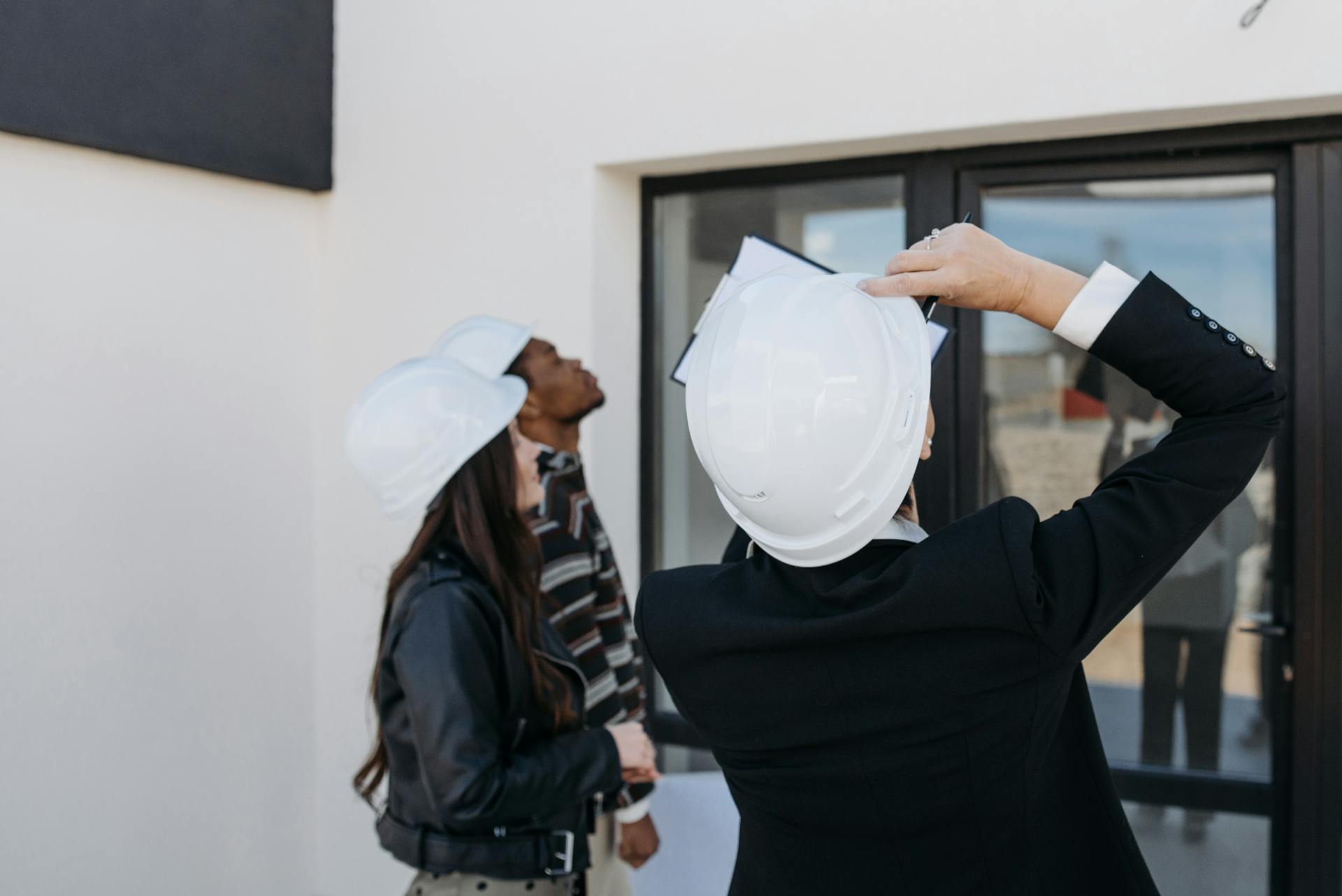
Inspections should cover electrical systems, plumbing, HVAC performance, and structural components such as stairs, ceilings, and balconies.
Air conditioning deserves particular attention, as it is essential for habitability and resident comfort. Seasonal inspections before peak heat and hurricane season, combined with annual inspections by licensed professionals, reduce emergency calls, downtime, and expensive repairs while providing a documented record of property condition.
In addition to rental maintenance, inspections are vital for insurance compliance. Roof condition reports, electrical panel updates, and proper drainage documentation help maintain coverage and prevent premium increases.
Properties failing wind mitigation or four-point inspections may face higher deductibles or policy cancellations even when no visible issues exist. Incorporating insurance checkpoints into routine inspections allows landlords to address vulnerabilities proactively and preserve coverage.
Fire Safety and Emergency Readiness
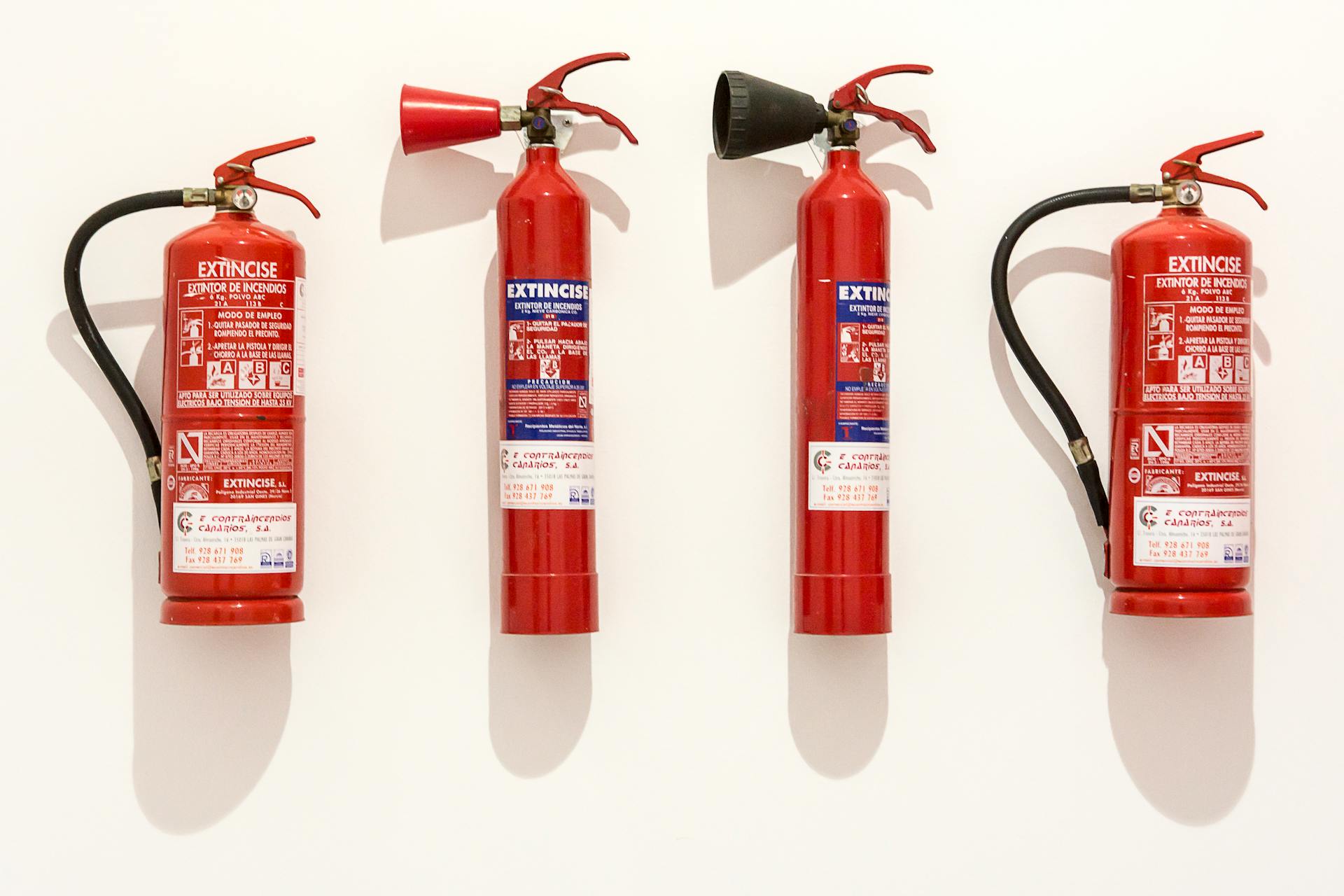
Smoke detectors should be installed and tested regularly, with carbon monoxide detectors added where gas appliances or garages are present. Fire extinguishers must be accessible, especially in kitchens or shared areas, and emergency exits must remain clear.
High-density rentals benefit from marked escape routes, illuminated pathways, and visible signage. Landlords who review emergency procedures with residents often see faster reporting of issues and better cooperation during drills or inspections.
Environmental and Health Considerations
Moisture control is a key safety concern in Florida. Poor ventilation, roof leaks, or drainage problems can lead to mold growth, triggering health complaints and legal exposure. Proper ventilation, timely repairs, and prompt responses to water intrusion protect both residents and structures.
Pest control is equally important in a warm climate. Older properties may also require attention to lead-based paint or asbestos, which must be disclosed and handled by certified professionals.
Property Security and Accessibility
Exterior doors should have secure locks, windows should lock while remaining usable for emergencies, and adequate exterior lighting enhances safety and deters crime.
Motion-activated lights, smart entry systems, and accessibility features such as ramps or handrails are increasingly important for long-term occupancy. Visible security measures and accessible design support resident confidence, safety, and satisfaction.
Resident Communication and Documentation
Residents play a meaningful role in safety when expectations are clear. Providing emergency contacts, reporting procedures, and safety guidance encourages early communication and faster resolution of issues.
Maintaining thorough records of inspections, repairs, permits, and resident communications protects landlords during disputes, audits, or insurance claims. Organized documentation is essential for compliance with local rental registration and certification requirements.
Why Safety Pays Off
Prioritizing safety reduces liability, enhances resident retention, and protects property value. Residents who feel secure are more likely to renew their lease agreements, lowering turnover and vacancy costs. Insurers and appraisers favor well-maintained, compliant properties.

Beyond financial benefits, safe properties reflect responsible ownership and contribute to stronger, more stable communities, a key consideration for long-term investors.
Final Thoughts
Rental property safety is an ongoing responsibility rather than a one-time task. Consistent inspections, timely maintenance, and clear communication protect residents and preserve long-term value.
For landlords managing multiple properties or navigating complex regulations, professional support is invaluable. Partnering with LRES Property Management ensures your rentals remain safe, compliant, and profitable while providing peace of mind and expert oversight. Contact us today to learn more!