

Key Takeaways
- Compare the expected rental income with furniture, maintenance, storage, replacement, and disposal costs before deciding whether furnishing makes financial sense.
- Identify the type of rental demand your Orlando property is positioned to serve and consider whether furnished accommodations fit that market.
- Choose durable, functional furnishings that complement the home’s layout rather than prioritizing the lowest upfront price or overly expensive pieces.
- Create a detailed inventory of every included furnishing and document its condition before the rental begins to make ongoing property management more organized.
When preparing a property for rent, one of the big choices a landlord has to make is whether to furnish it or not.
This sounds relatively easy, but when a landlord actually considers its ramifications, renting it furnished or unfurnished will have a significant impact on marketing, appeal, maintenance, operating costs, and resident profile.
Landlords should bear in mind the characteristics of the property, including location, profile of potential residents, length of time to rent out, readily available furniture, and readiness and willingness to deal with the extra responsibilities.
In this article, LRES Property Management will go over the pros and cons of renting your house furnished.
What is a Furnished Apartment?
A fully furnished rental can have beds, sofas, dining room sets, tables, chairs, lighting, window coverings, kitchen appliances, pots and pans, and other items necessary for everyday living.
A partially furnished rental may only offer beds, sofas, and dining room sets as the main items included.
The rental listing and rental agreement should distinguish between these two categories. Potential renters must know all items provided.
An inventory list will also help document the state of the furnishings at the beginning of the rental and promote less contention when a resident vacates.
Furnished Rentals Can Attract a Different Market
Perhaps the best benefit of furnishing a home is the added convenience and flexibility to an interested resident.
A furnished property can attract professionals who are relocating, people with time-limited jobs, people who are transitioning between places of living, corporate housing clientele, and others who do not desire to buy or move heavy furniture.
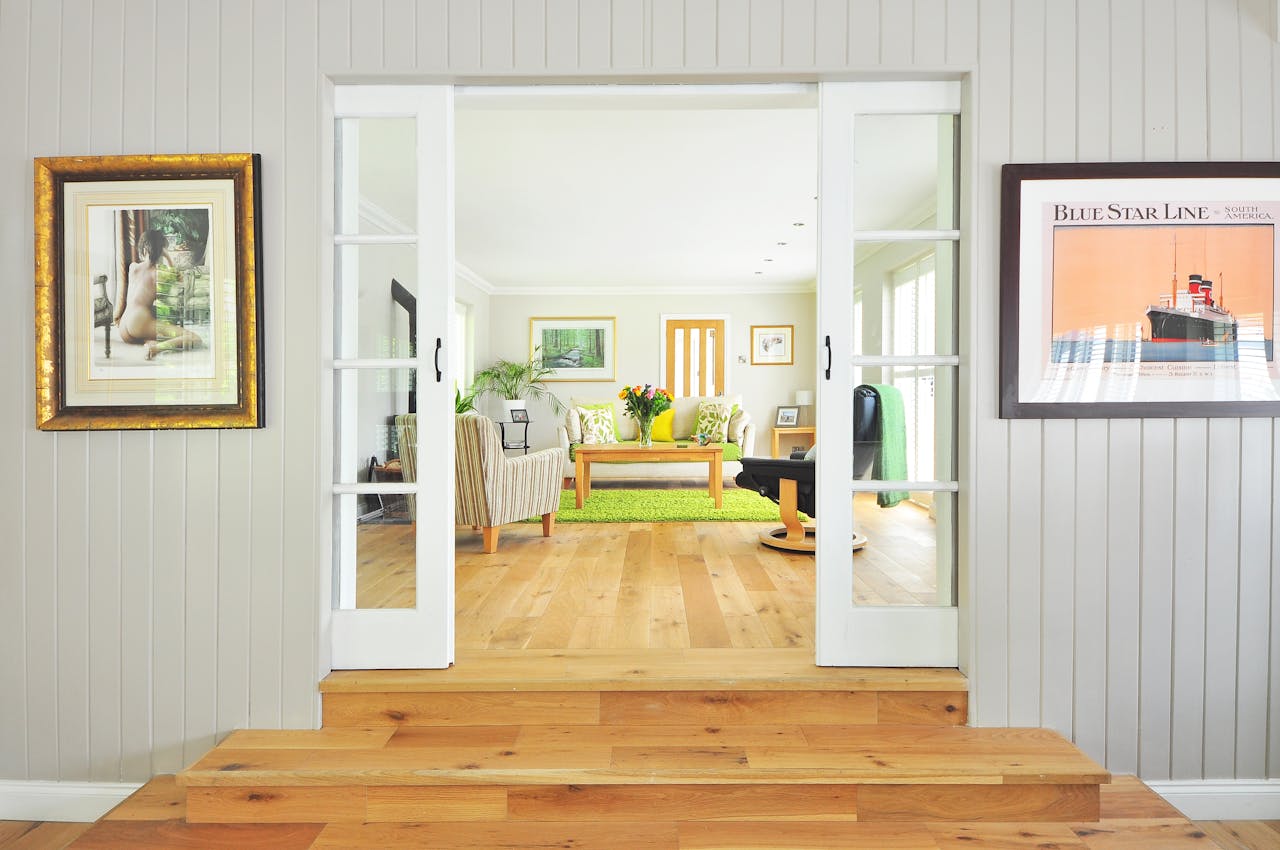
Furnished property is also likely to attract individuals planning to stay in the area for a limited time.
Instead of buying furniture, arranging for delivery, and later either reselling it or moving to another place with those items, people can relocate into a house they already have equipped with everything they need.
This way, convenience can make furnished accommodation different from other types of accommodation that might be similar in all other aspects.
Learn More About Our Services!
Furnishing a Property Looks Expensive
The first and foremost disadvantage is quite obvious: furniture is expensive. A property owner is required to buy the things that make living in the house easy and convenient. Depending on the size and quality of the real estate, this can be a considerable upfront expenditure.
There is also a matter of quality. Choosing the least expensive furniture possible will lower the price at the beginning but will lead to frequent purchases.
Purchasing expensive designer products is also a risky decision, as it may put the owner in danger of getting them ruined.
The aim is to find durable, beautiful, functional furniture in the property that will suit the target residents.
Maintenance Difficulties
A non-furnished property has fewer things that can suffer from everyday use. Furniture can get scratched, stained, broken, or used up; mattresses need to be replaced on occasion, appliances can fail, kitchen items might get lost or damaged, and decorative items might need some fixing.

This does not mean that residents will be causing problems, because with regular usage, it is bound to wear out regardless of one’s care. Hence, the property owner must consider furniture maintenance as part of the long-term operating costs associated with a furnished rental.
Furnished Does Not Always Mean More Profitable
It is common to think that providing furniture can automatically help the owner charge a lot more rent. This is not always the case. Consider the extra rental income against the costs of buying, maintaining, storing, and then disposing of it.
The financial success of a furnished rental depends on the demand. If the people living in the area have a strong preference for fully furnished properties, it is reasonable to furnish the house.
If most potential residents already have furniture, paying to furnish the house will just add to the cost without having the anticipated extra demand.
Thus, it is not just important to know whether furnished apartments get a premium on the rental price or not; rather, it is crucial to find out whether furnishing the rental property increases its profitability overall.
Think About the Length of Stay
Furnished rentals can work particularly well in situations where someone is looking for temporary rentals. People who are looking to rent for a short time will really appreciate the ease of having a furnished apartment.

However, other types of renters may already have their own furniture and furnishings. They might prefer a bare house, which they can style to their liking. This point is important as the nature of a rental property must resonate with its classification and make-up market.
Before furnishing a property, the owners should ask themselves who will want it the most and for how long.
Presentation Matters More in Furnished Rentals
A flat with old or mismatching or huge furniture will look like a less glamorous version of a non-furnished house with clean and spacious rooms. Furniture should not be overcrowded but should accentuate the interior.
Using neutral colors, comfortable shapes, enough storage for common things, and consideration paid to layout will make the property less personalized but comfortable. Professional photography is also especially useful in this case.
Bottomline
A furnished rental is an excellent choice when residents value convenience, and the local market supports furnished rentals. Residents love that they can just move in and not have to deal with the time and cost necessary to furnish a house.
But furnishing a property also comes with extra costs, and you will have to maintain the furniture, track items in the inventory, and monitor any damages that may happen.
So the decision whether to furnish or not should be based on whether the furniture will attract the right residents, reduce vacancies, and increase returns on investment. If you want more information about this contact LRES Property Management today!
Frequently Asked Questions
How Should I Calculate The ROI Of A Furnished Rental?
Start by comparing the potential additional rental income with the full cost of furnishing and operating the property. Include furniture, appliances, kitchen items, replacement costs, maintenance, storage when applicable, and eventual disposal or resale considerations.
You should also account for how the furnished setup could affect leasing demand and vacancy expenses. There is no universal rent premium that makes furnishing worthwhile; the result depends on the property, competition, target market, and rental strategy.
What Should I Include In A Furnished Rental Inventory?
Create an itemized inventory that identifies the furnishings and other personal property being provided, along with their condition at the beginning of the tenancy. Photos can provide useful supporting documentation when they are dated and organized with the inventory.
The lease and listing should clearly describe what is included so expectations are documented from the start. Keeping the inventory current can also help you manage replacements and evaluate wear over time.
Does A Furnished Rental Need A Different Lease?
A furnished rental should clearly identify the furnishings and other personal property included with the rental, rather than leaving those details informal or ambiguous.
Owners should consider how the furniture inventory, condition, responsibility for included items, and procedures for addressing damage or loss will be documented in the rental agreement and related records.
Is Furnishing A House A Good Strategy In The Orlando Rental Market?
It can be, but the decision should be based on the specific property’s competitive position rather than on Orlando’s rental market alone.
Current Orlando rental data can provide a useful baseline for evaluating asking rents, but broad market figures do not tell an owner whether a particular furnished property will outperform an unfurnished one.
How Can I Reduce Furniture Costs Without Sacrificing The Rental’s Presentation?
Focus the furnishing budget on durable, functional pieces that fit the property’s size and layout. Prioritize items that receive frequent use, such as beds, seating, dining furniture, and essential kitchen equipment, while avoiding unnecessary décor that adds cost without meaningful value.
A consistent, neutral design can also make the home easier to present professionally without overpersonalizing the space.